Bridge & Culvert Inspection in North Carolina
Carolina Infrastructure Assessment provides NBIS-certified bridge, culvert, and stormwater structure inspections across the Piedmont Triad, Research Triangle, and Charlotte corridors, with photo-documented condition reports delivered within 5 business days.
In North Carolina, we do not currently inspect state-owned infrastructure, including bridges and culverts on the NCDOT-maintained road system. We inspect structures owned by municipalities, HOAs, golf courses, parks, campuses, and private and commercial property owners.
Field evaluations across North Carolina are routed through our Greensboro hub, with regular scheduling across the Piedmont Triad, Triangle, and Charlotte metro areas.
Complete photo-documented inspection package with executive 2-page A–F Report Card delivered within 5 business days of the field visit.
Municipalities Served in North Carolina
Carolina Infrastructure Assessment provides on-site structural condition evaluations for private, commercial, and municipal infrastructure across the following communities:
- Greensboro
- Winston-Salem
- High Point
- Burlington
- Kernersville
- Asheboro
- Raleigh
- Durham
- Chapel Hill
- Cary
- Salisbury
- Concord
- Charlotte
Inspection Scope & Regulatory Standards in North Carolina
Independent structural evaluations conducted under National Bridge Inspection Standards (NBIS) and Federal Highway Administration (FHWA) defect coding criteria.
Small Bridges & Vehicular Spans
Private road bridges, neighborhood entry spans, and multi-lane residential crossings. Visual and tactile inspection of deck, superstructure, substructure, and scour conditions.
Culverts & Drainage Structures
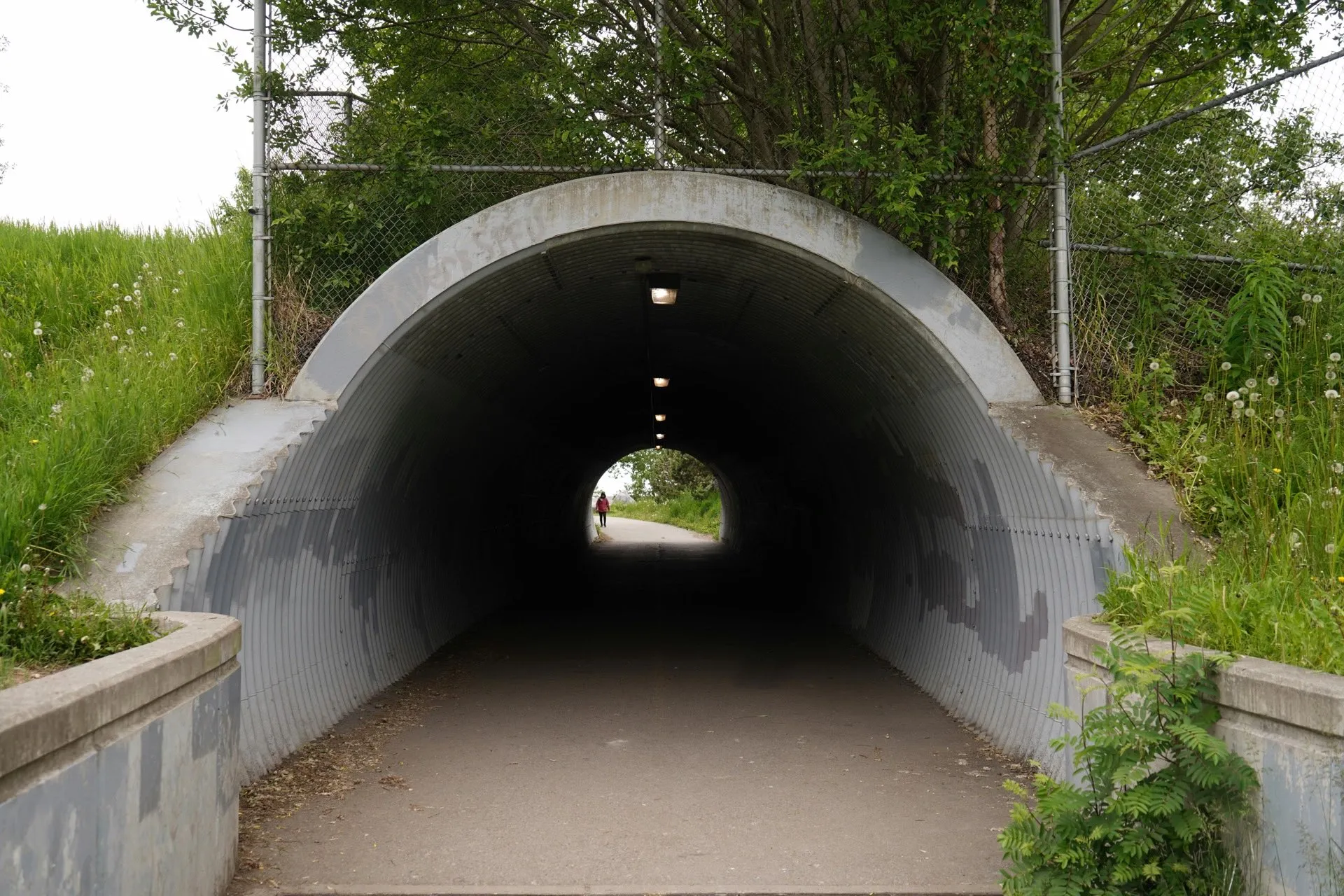
Corrugated metal pipes, reinforced concrete pipes, box culverts, and structural arches. Detailed internal barrel crawl inspections, joint separation checks, and invert corrosion documentation.
Pedestrian & Trail Crossings
Footbridges on public park greenways, neighborhood walking trails, campus paths, and golf cart routes. Evaluation of timber stringers, structural steel beams, concrete abutments, and safety railings.
Stormwater Outfalls & Basins
Discharge headwalls, wingwalls, energy dissipator aprons, and retention basin outfalls. Condition verification and photographic documentation supporting municipal MS4 permit obligations.
Infrastructure Ownership & Typical Conditions in North Carolina
Understanding jurisdictional boundaries, environmental factors, and common structural defect patterns across North Carolina.
Ownership & Maintenance Responsibilities
In North Carolina, roadway maintenance authority is divided primarily between the state and incorporated municipalities. North Carolina counties generally do not maintain roads or drainage structures. The North Carolina Department of Transportation (NCDOT) maintains the state highway system and most rural secondary routes, while cities and towns maintain their own municipal street networks.
Many residential subdivisions, townhome developments, and commercial properties sit on streets that were never accepted into the NCDOT maintenance system. In these communities, the homeowner association or property owner holds sole legal and financial responsibility for bridges, corrugated metal culverts, and stormwater infrastructure under private roads.
Typical Structures & Failure Modes
Aging corrugated metal pipe culverts installed during 1980s through 2000s residential development are widespread across the Piedmont Triad, Research Triangle, and Charlotte metro areas. Invert corrosion, joint separation, and roadway sinkholes are common failure modes in these installations.
Neighborhood greenway bridges, golf course cart spans, and private vehicular crossings are frequently built from timber or prestressed concrete. Common defects include fungal decay in timber stringers, deck weathering, scour around stream abutments, and bank undermining after severe seasonal storms.
Specialized Assessment Services in North Carolina
Explore our dedicated assessment protocols for vehicular bridges, pedestrian spans, underground drainage culverts, and aerial drone evaluations.
Bridge Inspection in North Carolina
Hands-on visual and non-destructive evaluations for vehicular bridges, pedestrian spans, and golf course crossings. Includes NBIS condition ratings, fracture-critical inspection methods, drone imaging, and prioritized repair timelines.
Culvert Inspection in North Carolina
Comprehensive barrel, joint, and outfall evaluations for corrugated metal pipes, reinforced concrete pipes, and box culverts. Identifies hidden invert corrosion, joint separation, and road undermining before pavement failures occur.
Drone Inspection in North Carolina
FAA Part 107 aerial imaging and high-resolution video documentation for high-span bridges, steep-slope outfalls, retention ponds, and inaccessible stormwater structures across North Carolina.
Frequently Asked Questions
Straight answers about bridge, culvert, and stormwater inspections in North Carolina. Don't see yours? Give us a call.
Can you inspect NCDOT bridges or culverts in North Carolina?
No. In North Carolina, we do not currently inspect state-owned infrastructure, including bridges and culverts on the NCDOT-maintained highway system. We inspect structures owned by municipalities, HOAs, golf courses, parks, campuses, and private and commercial property owners.
Who is responsible for inspecting culverts under HOA roads in North Carolina?
When subdivision streets have not been formally accepted into the state highway system by NCDOT or taken over by a municipality, the roads and drainage structures remain private property. In these communities, the homeowner association is responsible for inspecting, maintaining, and repairing all culverts, bridges, and stormwater outfalls.
Do private bridges in North Carolina have to be inspected?
Private bridges are not currently subject to mandatory federal or state inspection schedules under the National Bridge Inspection Standards. However, private owners retain full legal liability for structure safety. Regular independent inspections establish baseline condition ratings, identify safety hazards early, and support reserve fund planning.
How quickly can an inspection team deploy in North Carolina?
Field evaluations across North Carolina are routed through our Greensboro hub. Most site assessments are scheduled within one to two weeks of initial contact, and comprehensive digital reports are delivered within 5 business days of the field visit.
Schedule an Inspection in North Carolina
- Scheduled in 1–2 weeks.Most inspections are on the calendar within two weeks of your first call.
- Reported in 5 days.Your full report and Report Card arrive digitally within 5 business days.
- 20% off your first inspection.Ask about our Founder's Program for first-time clients.
Speak directly with an NBIS-certified bridge inspection program manager about your bridges, culverts, or drainage structures in North Carolina. 15-minute consultations and standard 5-day turnarounds.
- Phone
- (336) 653-1866
- Location
- Greensboro, NC