Core Inspection Programs

Targeted evaluations designed to catch hidden decay, joint displacement, scour, and structural settlement years before costly failures occur.

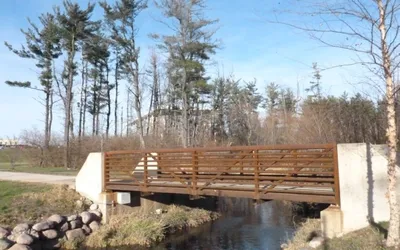
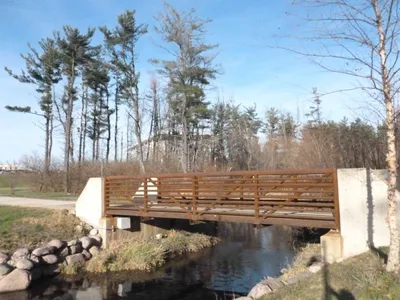
Steel-truss pedestrian bridge over a campus pathway

Small Bridges & Pedestrian Crossings

Understand the condition of your decks, beams, railings, abutments, and the stream beneath them, including structures outside the federal NBIS program.

  • Cracking and settlement
  • Beam and deck condition
  • Hydraulic and bank stability concerns
  • Maintenance needs ranked by priority
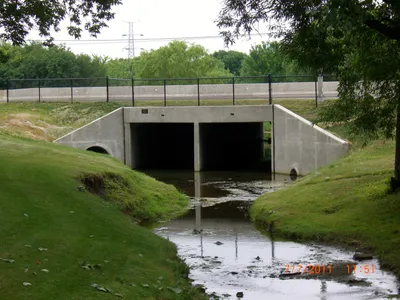
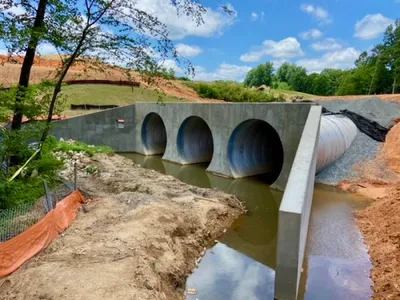
Reinforced concrete headwall on a corrugated metal pipe culvert

Culverts & Drainage Structures

Keep water moving and roads stable with a close look at box culverts, pipes, arches, headwalls, and wingwalls.

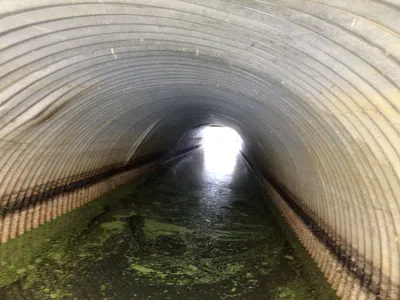
  • Corrosion, joint separation, and deformation
  • Scour, undermining, and sediment buildup
  • Inlet and outlet condition
  • High-resolution photos inside and out
Aerial view of a waterway and drainage channel, typical drone documentation

Aerial Drone Imaging

Get a complete view of the places that are hard or unsafe to reach on foot.

  • Overhead condition photography
  • Upstream and downstream channel views
  • Site access and surrounding erosion
Why Routine Inspection Matters

Bridges and culverts rarely fail without warning. Early indicators such as joint separation, piping voids along headwalls, and hairline shear cracking develop over years. Our inspections document these mechanisms early, giving owners the defensible data needed to competitively bid repairs instead of reacting to sudden washouts.

Schedule an Assessment

Structure Types We Evaluate in the Field

Examples of the vehicular crossings, pedestrian spans, culverts, and stormwater channels we inspect across residential communities, commercial sites, and municipal corridors.

Steel pedestrian bridge spanning a campus walkway

Small Bridges and Pedestrian Crossings

We assess small bridges, pedestrian crossings, decks, beams, railings, abutments, bearing areas, and visible structural defects.

Typical SitesCampuses, parks, trails, HOAs, and commercial properties
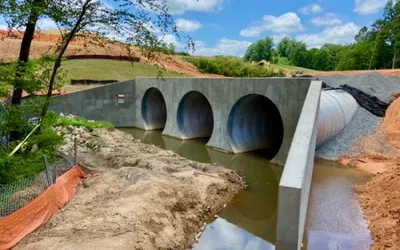
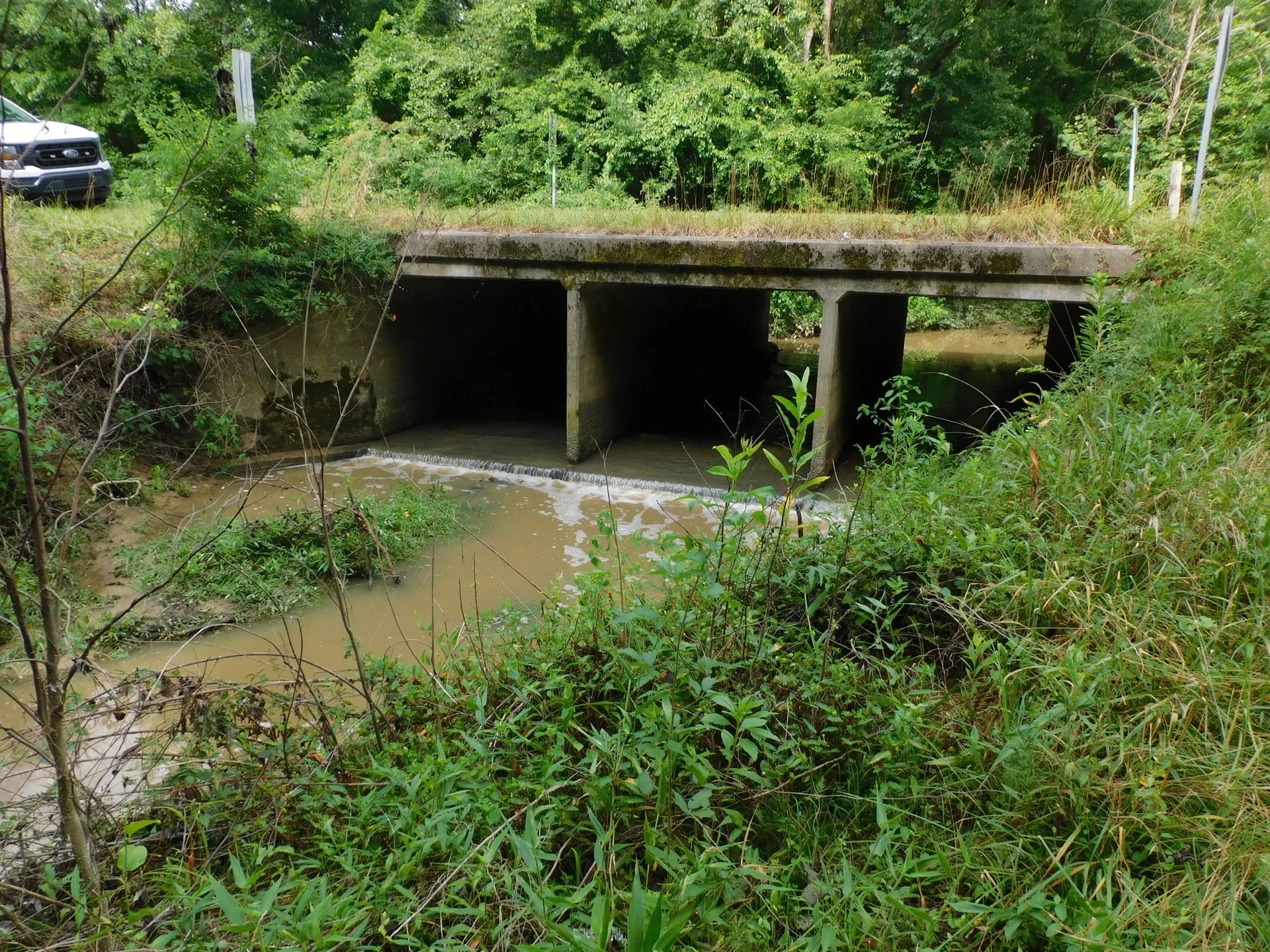
Triple-barrel reinforced concrete box culvert beneath a roadway

Reinforced Concrete Box Culverts

We inspect reinforced concrete box culverts for joint separation, cracking, spalling, settlement, scour, sediment buildup, and inlet/outlet deterioration.

Typical SitesRoadway crossings, golf courses, parks, and private communities
Aerial view of a stormwater channel, drone documentation

Stormwater Channels and Outfalls

FAA Part 107 drone imaging helps document hard-to-access channels, drainage paths, outfalls, erosion areas, and site-wide waterway conditions.

Typical SitesParks, municipalities, greenways, and large properties
Concrete headwall on a corrugated metal pipe culvert system

Corrugated Metal Pipes, Headwalls, and Wingwalls

We review corrugated metal pipes, headwalls, wingwalls, inlet protection, outlet protection, corrosion, deformation, and drainage performance indicators.

Typical SitesCommercial campuses, HOAs, roadways, and stormwater systems
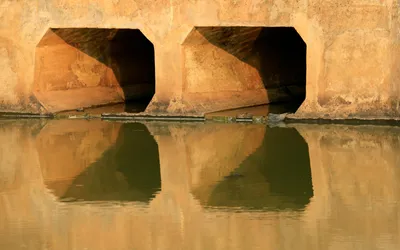
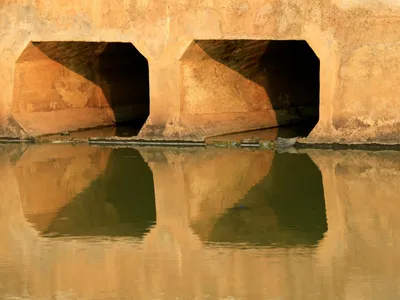
Roadway pavement showing multiple deflection points above a buried structure

Pavement Deflection and Drainage Concerns

We document visible surface distress above buried drainage structures and help identify conditions that may require further engineering review or repair planning.

Typical SitesParking lots, access roads, private roads, and community streets

Who We Work With

Different ownership models have distinct operational, regulatory, and financial priorities. We customize each assessment to match your governance reality.

HOAs & Residential Communities

Managing private roadway bridges, corrugated metal culverts, and neighborhood trail crossings with a fiduciary duty to protect reserve funds.

Targeted Focus
  • Prevent unexpected emergency special assessments
  • 2-Page Report Card built for board reviews and voting
  • Document safety for private roads and pedestrian paths

Golf Courses & Private Clubs

Ensuring vehicular bridges and cart crossings safely support heavy fairway mowers, maintenance vehicles, and daily cart traffic.

Targeted Focus
  • Inspection scheduling that minimizes disruption to play
  • Bank stability and scour checks along creek features
  • Superstructure evaluations on cart path timber and steel spans

Parks, Greenways & Campuses

Keeping public multi-use trail bridges, footpaths, and stormwater drainage systems safe for thousands of daily pedestrians and cyclists.

Targeted Focus
  • Timber decking, railing integrity, and ADA pathway checks
  • High-water debris accumulation and outfall evaluations
  • Defensible safety records for municipal risk managers

Municipalities & Public Works

Evaluating off-system short-span bridges, roadway culverts under 20 feet, and stormwater channels outside traditional state DOT inspection cycles.

Targeted Focus
  • FHWA-compatible condition ratings and defect coding
  • GIS-ready inventory documentation with GPS location tags
  • Independent second-opinion assessments on aging drainage corridors

Frequently Asked Questions

Direct answers about structure assessments, engineering deliverables, and what to expect during field work.

Have a specific question? Call (336) 653-1866

Why should we inspect a structure that appears fine on the surface?

Culverts and bridges deteriorate from the bottom up. Scour under footings, joint separation inside pipe barrels, and hidden corrosion occur out of sight. By the time pavement sinks or cracks appear on the road surface, repairs typically cost five to ten times more than early preventive maintenance.

Do you perform structural repairs if problems are discovered?

No. Carolina Infrastructure Assessment operates exclusively as an independent inspection firm. We do not sell repair services or partner with repair contractors. This guarantees our findings are completely objective, protecting your board from inflated repair scopes and contractor upselling.

What standards do your inspectors follow?

Field assessments are led by an inspector certified under the National Bridge Inspection Standards (NBIS) and trained in FHWA defect evaluation, with specialized credentials in fracture-critical inspection and ultrasonic testing.

How quickly do we receive the completed inspection report?

You will receive your complete digital report, including the executive 2-Page Report Card, high-resolution photo defect log, and prioritized maintenance matrix, within 5 business days of the on-site inspection.

Can you inspect multiple culverts or bridges across an entire community?

Yes. We regularly perform multi-structure inventory evaluations for master-planned communities, golf resorts, and municipal public works departments. Multi-structure programs include volume pricing, coordinated scheduling, and a comparative asset condition summary.

Schedule a Structure Assessment

  • Scheduled in 1–2 weeks.Most inspections are on the calendar within two weeks of your first call.
  • Reported in 5 days.Your full report and Report Card arrive digitally within 5 business days.
  • 20% off your first inspection.Ask about our Founder's Program for first-time clients.

Request a free 15-minute scoping call for a single crossing or a complete inventory proposal. We respond within 1 business day with clear, transparent pricing.

Location
Greensboro, NC