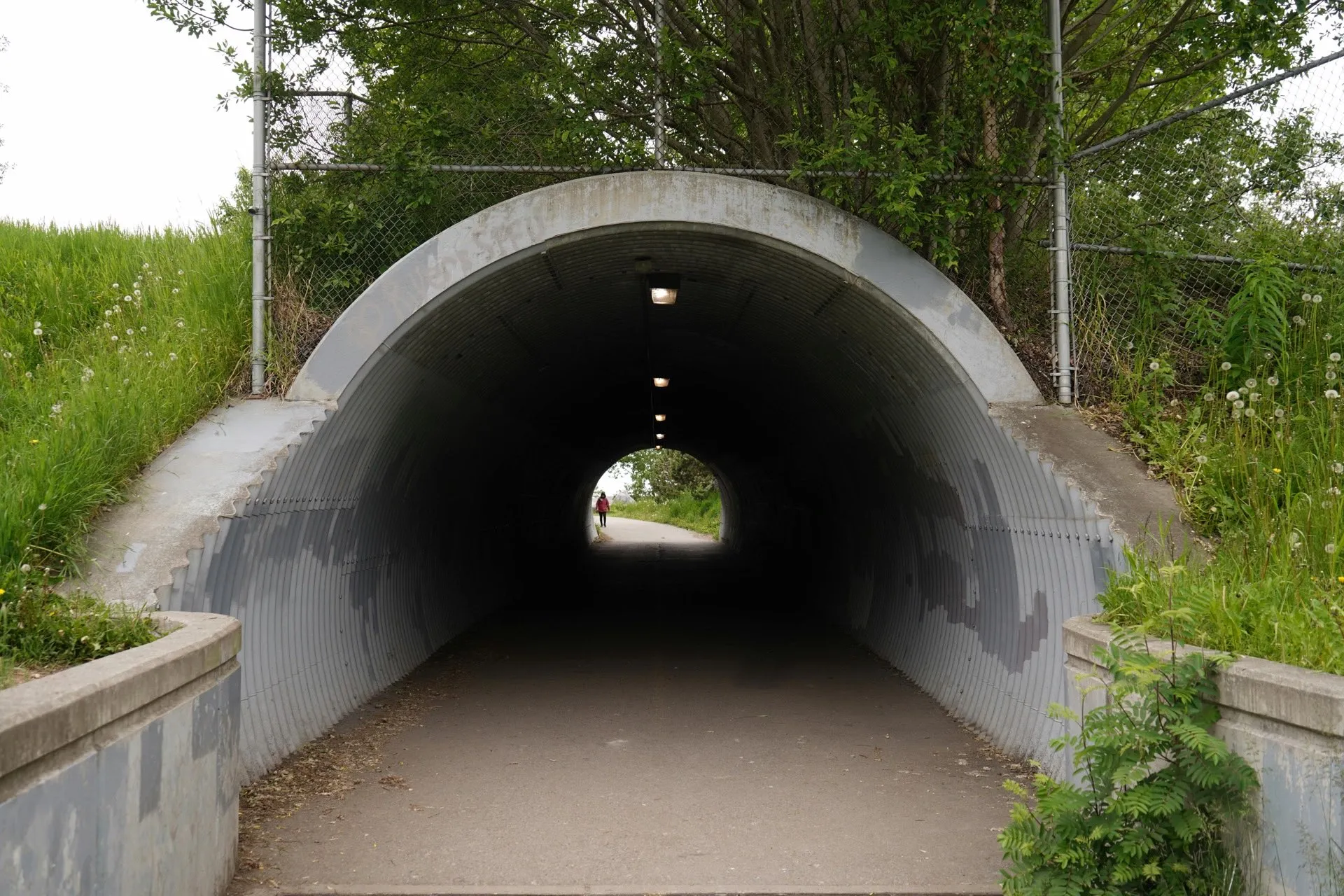
Bridge & Culvert Inspection in Washington, D.C.
Carolina Infrastructure Assessment provides NBIS-certified bridge and culvert inspections for pedestrian, vehicular, and drainage structures across Washington, D.C., with photo-documented reports delivered within 5 business days.
In Washington, D.C., we inspect structures for municipal and regional public agencies as well as commercial properties, educational campuses, and private owners.
Dedicated structural evaluation routing serves the Washington, D.C. metropolitan area with flexible scheduling for commercial and institutional properties.
Complete photo-documented inspection package with executive 2-page A–F Report Card delivered within 5 business days of the field visit.
Inspection Scope & Regulatory Standards in Washington D.C.
Independent structural evaluations conducted under National Bridge Inspection Standards (NBIS) and Federal Highway Administration (FHWA) defect coding criteria.
Small Bridges & Vehicular Spans
Private road bridges, neighborhood entry spans, and multi-lane residential crossings. Visual and tactile inspection of deck, superstructure, substructure, and scour conditions.
Culverts & Drainage Structures
Corrugated metal pipes, reinforced concrete pipes, box culverts, and structural arches. Detailed internal barrel crawl inspections, joint separation checks, and invert corrosion documentation.
Pedestrian & Trail Crossings
Footbridges on public park greenways, neighborhood walking trails, campus paths, and golf cart routes. Evaluation of timber stringers, structural steel beams, concrete abutments, and safety railings.
Stormwater Outfalls & Basins
Discharge headwalls, wingwalls, energy dissipator aprons, and retention basin outfalls. Condition verification and photographic documentation supporting municipal MS4 permit obligations.
Infrastructure Ownership & Typical Conditions in Washington D.C.
Understanding jurisdictional boundaries, environmental factors, and common structural defect patterns across Washington D.C..
Ownership & Maintenance Responsibilities
Infrastructure ownership across the District of Columbia encompasses a unique mix of District government agencies, federal entities, higher education institutions, healthcare campuses, and commercial property owners.
Private facility managers, universities, and commercial real estate groups maintain numerous off-system structures, including elevated campus walkways, pedestrian spans, parking facility access bridges, and private drainage channels that fall outside standard federal and municipal highway inspection programs.
Typical Structures & Failure Modes
Urban drainage structures include enclosed concrete culverts, stormwater outfalls, and urban drainage flumes. Common issues include concrete cracking and spalling from winter deicing salts, debris and trash obstruction, and joint deterioration caused by heavy urban runoff volumes.
Pedestrian and vehicular bridges often consist of reinforced concrete, structural steel, or composite materials. Critical inspection focus areas include structural joint integrity, bearing condition, deck wear, handrail safety compliance, and foundation stability.
Specialized Assessment Services in Washington D.C.
Explore our dedicated assessment protocols for vehicular bridges, pedestrian spans, underground drainage culverts, and aerial drone evaluations.
Bridge Inspection in Washington D.C.
Hands-on visual and non-destructive evaluations for vehicular bridges, pedestrian spans, and golf course crossings. Includes NBIS condition ratings, fracture-critical inspection methods, drone imaging, and prioritized repair timelines.
Culvert Inspection in Washington D.C.
Comprehensive barrel, joint, and outfall evaluations for corrugated metal pipes, reinforced concrete pipes, and box culverts. Identifies hidden invert corrosion, joint separation, and road undermining before pavement failures occur.
Drone Inspection in Washington D.C.
FAA Part 107 aerial imaging and high-resolution video documentation for high-span bridges, steep-slope outfalls, retention ponds, and inaccessible stormwater structures across Washington D.C..
Frequently Asked Questions
Straight answers about bridge, culvert, and stormwater inspections in Washington D.C.. Don't see yours? Give us a call.
Do you inspect private and campus pedestrian bridges in Washington, D.C.?
Yes. We evaluate vehicular and pedestrian bridges, multi-use trail spans, and campus walkways owned by universities, corporate parks, and private property managers throughout the District.
Can you inspect structures for public agencies in Washington, D.C.?
Yes. In Washington, D.C., we can inspect structures for municipal and regional agencies as well as private commercial properties, campuses, and residential developments.
What issues are common in urban drainage channels and culverts in D.C.?
Urban drainage structures frequently experience concrete spalling from winter deicing salts, severe sediment and debris accumulation, joint separation, and localized undermining around outfall headwalls.
How are structural inspection deliverables formatted for District property boards?
Every assessment includes an executive 2-page A-F Report Card designed for board members and facility directors, paired with a comprehensive engineering report and photo log for maintenance staff.
Schedule an Inspection in Washington D.C.
- Scheduled in 1–2 weeks.Most inspections are on the calendar within two weeks of your first call.
- Reported in 5 days.Your full report and Report Card arrive digitally within 5 business days.
- 20% off your first inspection.Ask about our Founder's Program for first-time clients.
Speak directly with an NBIS-certified bridge inspection program manager about your bridges, culverts, or drainage structures in Washington D.C.. 15-minute consultations and standard 5-day turnarounds.
- Phone
- (336) 653-1866
- Location
- Greensboro, NC